Saving seed from your own garden is one of the oldest and cheapest habits a gardener can have. A good bean plant gives you next year’s crop, and a tomato you loved at supper can become a whole row in spring. Beans, peas and tomatoes are the easiest place to start, because their flowers pollinate themselves and rarely cross with neighbors.
There is one rule to learn first, and then a few simple methods for drying and storing. By the end you will know which plants to save from, which to skip, and how to keep the seed alive for years.
Choose the Right Plants First
Seed saved from a plant grows into a plant like its parent only if the parent was open-pollinated. An open-pollinated variety, which includes most heirloom varieties, passes its traits to its seedlings when it is pollinated by its own kind. A hybrid, marked F1 on the packet, is a cross between two different parent lines. Seeds saved from a hybrid do not grow true. They can produce plants that look and taste different, and often weaker ones.
So before you save, check the packet or plant label. If it says F1 or hybrid, enjoy the harvest and buy new seed. Only save from open-pollinated or heirloom plants.
Also choose carefully among the plants themselves.
- Pick seed from your healthiest, most productive plants, not from the first or the last pod.
- Save from several plants, not just one, so the seed stays varied and strong.
- Never save seed from plants that showed disease. Some diseases, such as bean anthracnose, can ride along on the seed.
- Grow different varieties of the same crop a few feet apart. Beans and peas cross rarely, but a little distance helps.
Beans and Peas: Let the Pods Dry on the Plant
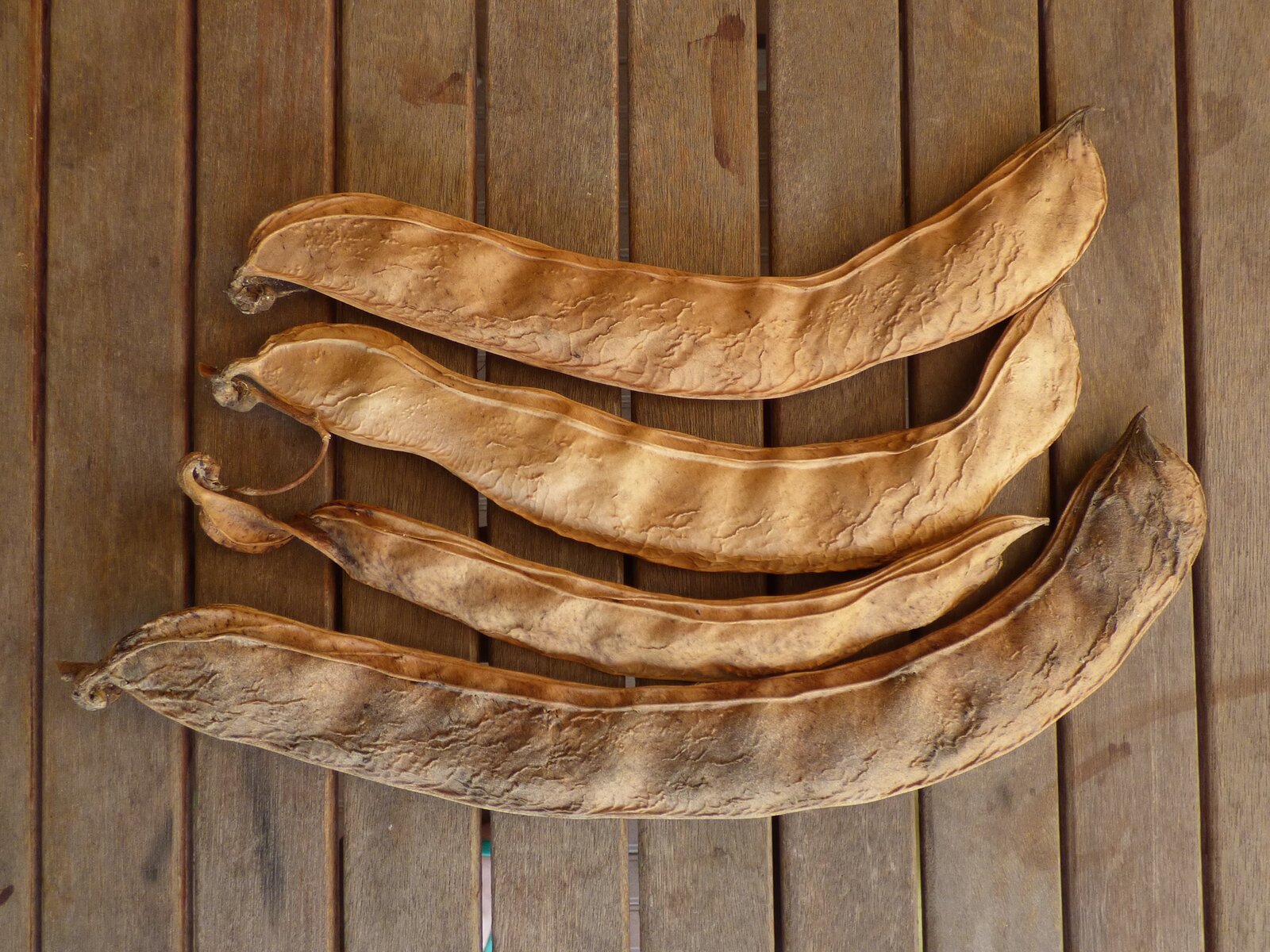
These are the easiest of all. Leave the best pods on the plant after you have finished picking for the table. They will turn from green to yellow to brown and papery, and the seeds will rattle inside. This takes several weeks beyond eating stage.
- Pick the pods when they are brittle and dry. If frost or rain is coming and they are not quite dry, pull the whole plant and hang it upside down in a dry, airy place, such as a garage or porch.
- Shell the seeds into a bowl. Throw away any that are shriveled, moldy or have small holes.
- Spread the seeds on a plate or screen in a single layer and let them dry indoors for another week or two, out of direct sun.
- Test one: a dry bean should be hard enough that it resists a fingernail, and it shatters rather than dents if you tap it with a hammer. If it dents, it needs more drying.
Peas follow the same steps. If you picked the garden clean before the pods dried, plan to leave a few plants at the end of the row next year just for seed.
Tomatoes: Ferment the Seed
Tomato seeds sit inside a jelly coating that stops them sprouting inside the fruit. Fermenting removes it, and it also helps reduce some seed-borne diseases. The method is easy but smelly, so do it outdoors or in a corner.
- Choose a fully ripe fruit from a healthy plant. Cut it across the middle and squeeze or scoop the seeds and jelly into a clean jar.
- Add a little water, enough to make a thin slurry, and put a loose lid or a cloth over the top. Do not seal the jar tightly.
- Leave it at room temperature for two to four days, stirring once a day. A layer of white or gray mold will form on top. This is normal.
- When the good seeds have sunk to the bottom, pour off the mold and floating seeds, then rinse the rest in a strainer with clean water until the seeds are clean.
- Spread the seeds on a ceramic plate, a coffee filter or a piece of glass and let them dry for a week or more, stirring them once or twice so they do not stick. Paper towels are not good for this, because the seeds glue themselves to the paper.
Store Seed Cool, Dry and Dark
Moisture is the main enemy of stored seed, along with heat and light. Make sure the seed is fully dry before you store it. A seed that bends is not dry enough, and a seed that snaps is.
Put each kind in a labeled paper envelope, then put the envelopes in a glass jar with a tight lid. Write the variety, the year, and any notes about the plant on the envelope. Store the jar somewhere cool and dark. A basement shelf or a closet away from the stove is fine, and the refrigerator also works for jars with tight lids.
Dried beans sometimes hold weevil eggs. Put the sealed bag in the freezer for a few days before storing it in the jar, and these will not hatch. Never put wet seed in the freezer, though.
Properly stored, bean and pea seed stays good for about three years. Tomato seed often lasts longer, up to five years or more. Test any old seed before you rely on it by placing ten seeds on a damp paper towel in a plastic bag, keeping it warm and counting how many sprout in a week or two. If only half sprout, sow twice as thickly.
The end of the season is also the best time to collect seed, since the plants are finished anyway. I do this while I clear the beds, and the steps for the rest of the cleanup are in putting the vegetable garden to bed in fall.
Quick-Fire FAQ
Can I save seeds from store-bought tomatoes?
You can, but you will not know the variety, and many store tomatoes are hybrids. The plants may differ from the fruit you ate. Seed from a garden variety you know is safer.
Why did my saved seeds grow something different?
The parent was probably a hybrid, or it crossed with another variety. Check that you saved from open-pollinated plants.
How long should I let seeds dry?
Until they are hard and snap instead of bending. This usually takes one to two weeks indoors after harvest.
Do I need to ferment pea and bean seeds?
No. Fermenting is only for seeds that grow inside wet fruit, such as tomatoes. Beans and peas just need to dry.
— Grandma Gigi