A short growing season does not have to mean a small harvest. It means choosing crops that finish before frost ends the year, and giving them a good start. Over the years I have learned that vegetables which mature quickly, or which enjoy cool weather, give me the most food for the least worry.
Below are ten that I trust, and the simple tricks that gain you extra weeks. The advice works for any gardener in the United States who has a short season, whether the cause is cold nights, late spring frosts or an early fall. Before you buy a single seed packet, look up your own last spring frost date and first fall frost date. Your county extension office can tell you both.
Know Your Numbers First
Your growing season is the number of days between the last frost in spring and the first frost in fall. Every seed packet gives a figure called days to maturity, which is the time from planting to harvest. For crops sold as young plants, such as tomatoes, the count starts on the day you plant them out, not on the day you sow seed.
Choose crops whose days to maturity are comfortably shorter than your season. I add one or two weeks to the number on the packet, because that figure assumes good weather, and cool, cloudy summers slow everything down.
Ten Dependable Vegetables
Cool-Season Crops That Tolerate Cold Soil
These can be sown as soon as the soil can be worked in spring, and most of them survive a light frost.
- Radishes are ready in about four weeks, so they are the quickest reward in the garden.
- Spinach takes 40 to 45 days. It turns bitter and sends up flowers in summer heat, so sow it early in spring and again in late summer.
- Leaf lettuce takes 45 to 55 days to full size, and you can cut young leaves much sooner. Cut a few leaves at a time and the plant keeps growing.
- Peas take 55 to 70 days. Sow them as soon as the soil is workable, and give them something to climb.
- Kale takes 50 to 65 days and tastes sweeter after a light frost. It often keeps producing well into fall.
Root Crops
- Beets take 50 to 60 days, and you can eat the leaves as well as the roots.
- Carrots take 60 to 75 days. They sprout slowly, so keep the seed row damp until the green tops appear. Short varieties finish earlier and do better in heavy soil.
- Early potatoes take 70 to 90 days. Look for varieties labeled early or new potato, and plant seed potatoes a couple of weeks before your last frost.
Warm-Season Crops That Finish Quickly
- Bush beans take 50 to 60 days, which is faster than pole beans. Sow them after the last frost, once the soil is at least 60 degrees F.
- Zucchini and other summer squash take 45 to 60 days, and a single plant gives more than most families need. Plant after the last frost.
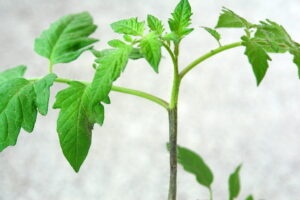
Tomatoes are possible in a short season too, but they need a head start indoors and an early variety. Cherry types and varieties labeled early ripen fastest. If you want to grow them, read how to start tomato seeds on a windowsill and begin about six to eight weeks before your last frost.
Tricks That Gain You Weeks
- Warm the soil early. Cover a bed with black plastic or a layer of dark mulch for one to two weeks before planting. Raised beds also warm faster than flat ground.
- Use row cover. This is a light fabric laid over plants on hoops or directly on the crop. It protects against light frost and adds a few degrees of warmth. Remove it when plants flower and need pollinating, as with squash.
- Sow in small batches. Plant radishes and lettuce every two weeks, so you do not get a whole month of lettuce in one week.
- Choose your sunniest spot. Warm-season crops need six to eight hours of direct sun. A bed on the south side of a wall or fence stays warmer at night.
- Cover young plants at night. A clear plastic jug with the bottom cut off makes a small greenhouse over a single plant. Take the cap off for air and lift it away on warm days, or the plant will cook inside.
Mistakes and When to Skip a Crop
- Planting too early. Bean and squash seed rots in cold, wet soil. A cheap soil thermometer is better than guessing, and waiting a week costs you little.
- Choosing long-season crops. Winter squash, melons and sweet potatoes need 90 to 120 days or more. They can work in a very sunny spot with transplants and plastic, but for a first try I would grow the ten above and treat these as experiments.
- Skipping the thinning. Crowded carrots and beets stay small and take longer to mature. Thin them when the seedlings are a couple of inches tall.
- Forgetting to write dates. Note when you sowed and when you picked each crop. Next year those dates are worth more than any packet.
Do not feel discouraged if a crop fails. A short season leaves less room for error, so every year of notes makes the next one easier. Start with a few of these ten, grow them well, and add something new only when those succeed.
Quick-Fire FAQ
What vegetables grow fastest from seed?
Radishes are the fastest, ready in about four weeks. Leaf lettuce and spinach follow, and you can pick young leaves even sooner. Bush beans and zucchini are the quickest warm-season choices.
How do I find my average frost dates?
Search for your county extension office or ask a local garden center. They keep records of the average last spring frost and first fall frost for your area. Treat those dates as averages, because a frost can come earlier or later.
Can I still grow tomatoes in a short season?
Yes, with an early variety and a head start indoors. Choose varieties labeled early or cherry types, and plant them outside only after the nights stay above 50 degrees F.
Should I buy plants or sow seed?
Both work. Peas, radishes, beets, carrots and beans do best sown directly in the soil. Tomatoes and peppers save weeks when started indoors or bought as young plants.
— Grandma Gigi